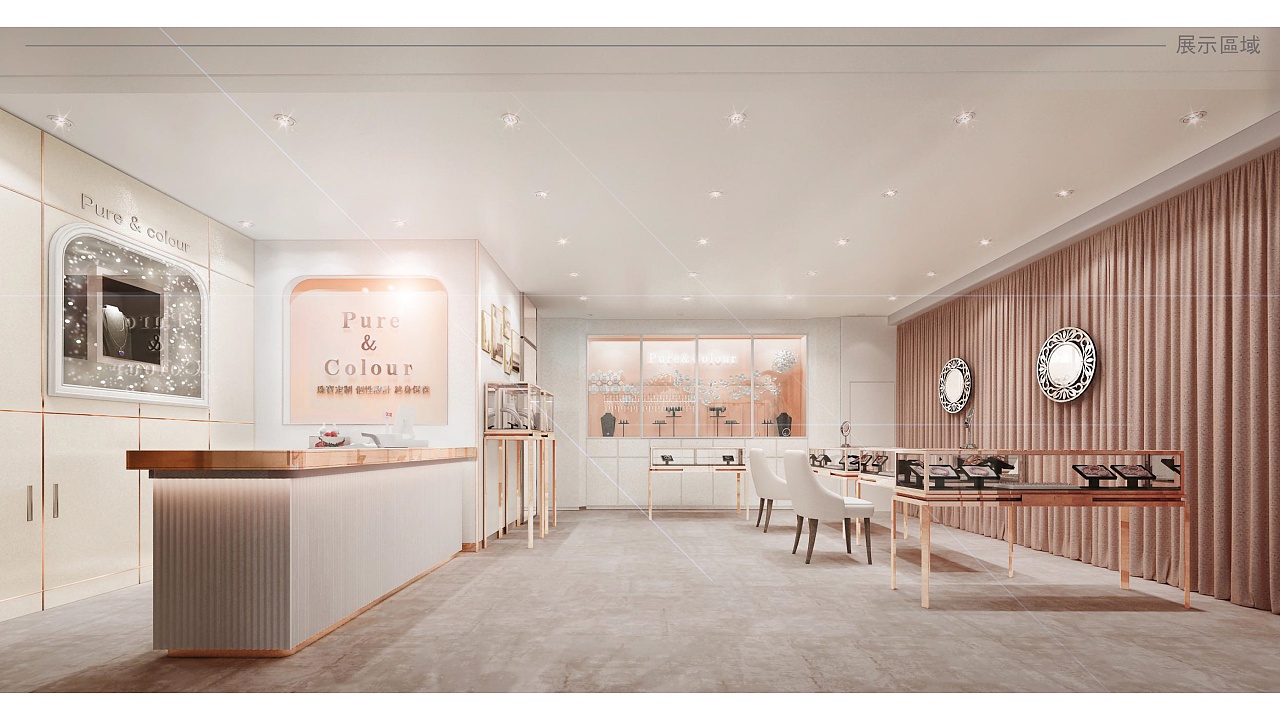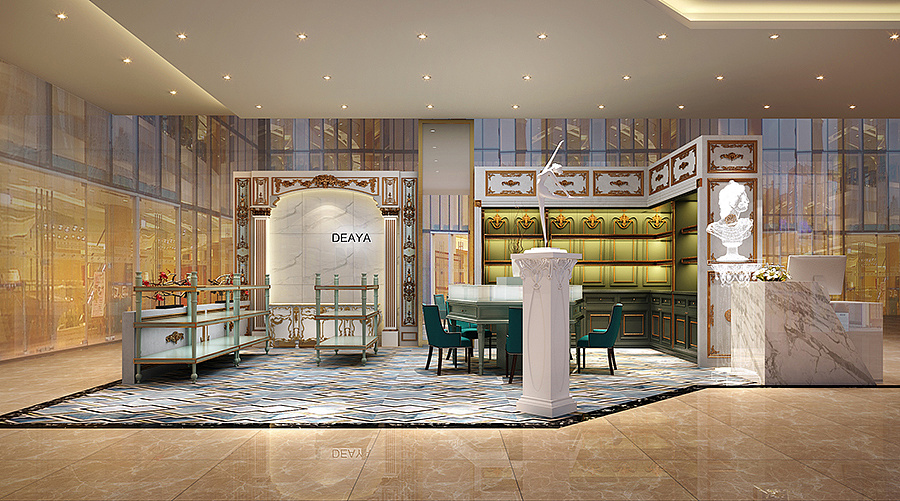

The most common mistake in retail fixture design is choosing fixtures before the store layout is settled. Almost every other expensive error follows from it: awkward circulation, blocked sightlines, fixture runs that do not fit the wall, and a merchandising rhythm that has to be improvised on install day.
Layout and circulation mistakes
Mistake: specifying gondolas, counters, or wall displays before the circulation is agreed. The fix is to settle the walking route, the entrance sightline, and the service point first, then select fixtures that fit that plan. A fixture drawing produced without a floor plan is a guess.
Mistake: sizing aisles for an empty store. Aisles are measured between fixture faces on a drawing, but customers walk between products that project from those faces, and two people pass each other with bags. An aisle that works on paper can be unusable in practice once the shelves are stocked and a basket is added.
Mistake: tall fixtures at the entrance. These block the view into the store, shrink the space visually, and stop the back wall doing any work. Keep the entrance zone low and push full-height units to the perimeter.
- Fix: agree circulation, sightlines, and the service point before fixture selection
- Fix: check aisle widths with product projection and a basket included
- Fix: keep the entrance zone low so the back wall is visible from the door
Too many unique fixture types
Mistake: building many one-off fixture types into a single project. This creates visual clutter, complicates production, multiplies the number of drawings to check, and makes any future update more expensive because nothing is interchangeable.
The fix is a fixture family: one wall system, one mid-floor system, one counter language, and one premium showcase type, all sharing finishes and detailing rules. Variation comes from what sits on the fixture, not from the fixture itself. A modular gondola system does this by keeping one frame and one hole pitch while shelf depth, hooks, and faceouts change by category.
Finish and material mistakes
Mistake: selecting finishes from a render. Renders show colour, not wear. Some finishes that look excellent on screen mark under daily cleaning, chip on exposed edges, or show handling damage before the store even opens.
The fix is to specify durability where customers touch the store and save the delicate finishes for surfaces they only look at. Counter fronts, shelf edges, kick areas, and door pulls take constant contact. Upper wall panels and ceiling-height returns do not.
Mistake: approving a colour on one material and assuming it will match on another. The same brand reference reads differently on powder-coated steel, laminate, painted board, and printed vinyl. Request a sample on every material the colour will appear on and approve them together, under the lighting the store will use. Our note on brand colour matching across retail fixtures covers the process.
Display case and lighting detail mistakes
Mistake: leaving cable routing until installation. Power has to enter a case somewhere, and if that point is not drawn, it will be drilled on site in the most convenient place rather than the least visible one. Decide the entry point and the route on the drawing.
Mistake: mounting the light where the customer sees the source. A visible LED strip produces glare and cheapens the product it is meant to present. The light source should be shielded, and the effect on the product should be checked at customer eye level, not from above.
Mistake: lock and access placement that fights the staff. A lock a member of staff has to reach across a display to turn, or a case back that only opens if the adjacent unit is moved, will be left unlocked. Plan staff-side access as carefully as the customer-facing view. These details are exactly what a display case specification needs to resolve before anything is cut.
Mistake: adding integrated lighting without checking site electrical capacity. In a commercial space this has to be verified against the existing panel and circuits. Our article on what really drives LED display cabinet fit-out cost explains why this is usually the largest surprise in a fit-out budget.
Production, packing, and schedule mistakes
Mistake: designing a fixture that cannot reach the room it is meant to stand in. A single welded unit that will not pass a service lift, a stairwell turn, or a back door has to be cut on site or remade. Check the delivery route dimensions, including the narrowest point, and decide early which units ship assembled and which ship flat.
Mistake: treating packing as a freight problem rather than a design one. Edge protection, panel separation, and crate design determine how many units arrive undamaged, and damage in transit costs far more than the packing would have. Agree the packing standard in the specification.
Mistake: setting an opening date from the production time alone. Design, sampling, approval, production, freight, customs, and installation all consume calendar time, and approval rounds are the most variable of them. The lead time guide sets out realistic durations for each stage.
Mistake: skipping a 3D review because the drawings look clear. Plans and elevations hide proportion problems, door swing conflicts, and sightline failures that are obvious in three dimensions. Our guide on how to approve a store in 3D when shopfitting overseas covers how to run that review properly when the factory and the store are far apart.
- Fix: measure the full delivery route, including the narrowest turn
- Fix: write the packing standard into the specification, not the shipping note
- Fix: approve layout, family, finishes, and drawings in that order
- Fix: build approval rounds into the schedule, not just production time
- Fix: run a 3D review before releasing anything to production
Scope and responsibility mistakes
Mistake: assuming the fixture quotation covers the site work around it. Electrical checks, ceiling patching, painting, flooring repair, and any wall changes are separate trades with their own costs and their own liability. A quotation that looks cheap may simply have excluded them.
The fix is to agree in writing where fixture installation ends and site finishing begins, junction by junction. Who patches the ceiling where an old light was removed? Who repairs the floor where the previous fixture stood? Who supplies the outlet the case plugs into? Every one of those has a right answer, and the wrong time to find it is on install day.
Avoiding the pattern
The best way to avoid fixture design mistakes is to align merchandising logic, technical detailing, and factory execution early. When the layout, material strategy, and fixture family are decided together, and in that order, most of the errors above never get the chance to appear.
If you are scoping a store, a refresh, or a multi-site rollout, send the floor plan or site dimensions, the product categories, the store count, and your target opening date through the contact page. The store design service page explains how layout, fixture family, and production drawings are developed as one process, and the store fixtures category shows the systems those drawings are usually built from.