Product Category

Optical showcases and eyewear fixtures built for frame presentation, storage, and everyday retail use.

This category focuses on optical display counters, eyewear wall systems, sunglass bays, mirror-integrated merchandising, and storage-minded frame presentation for optical shops and eyewear boutiques.

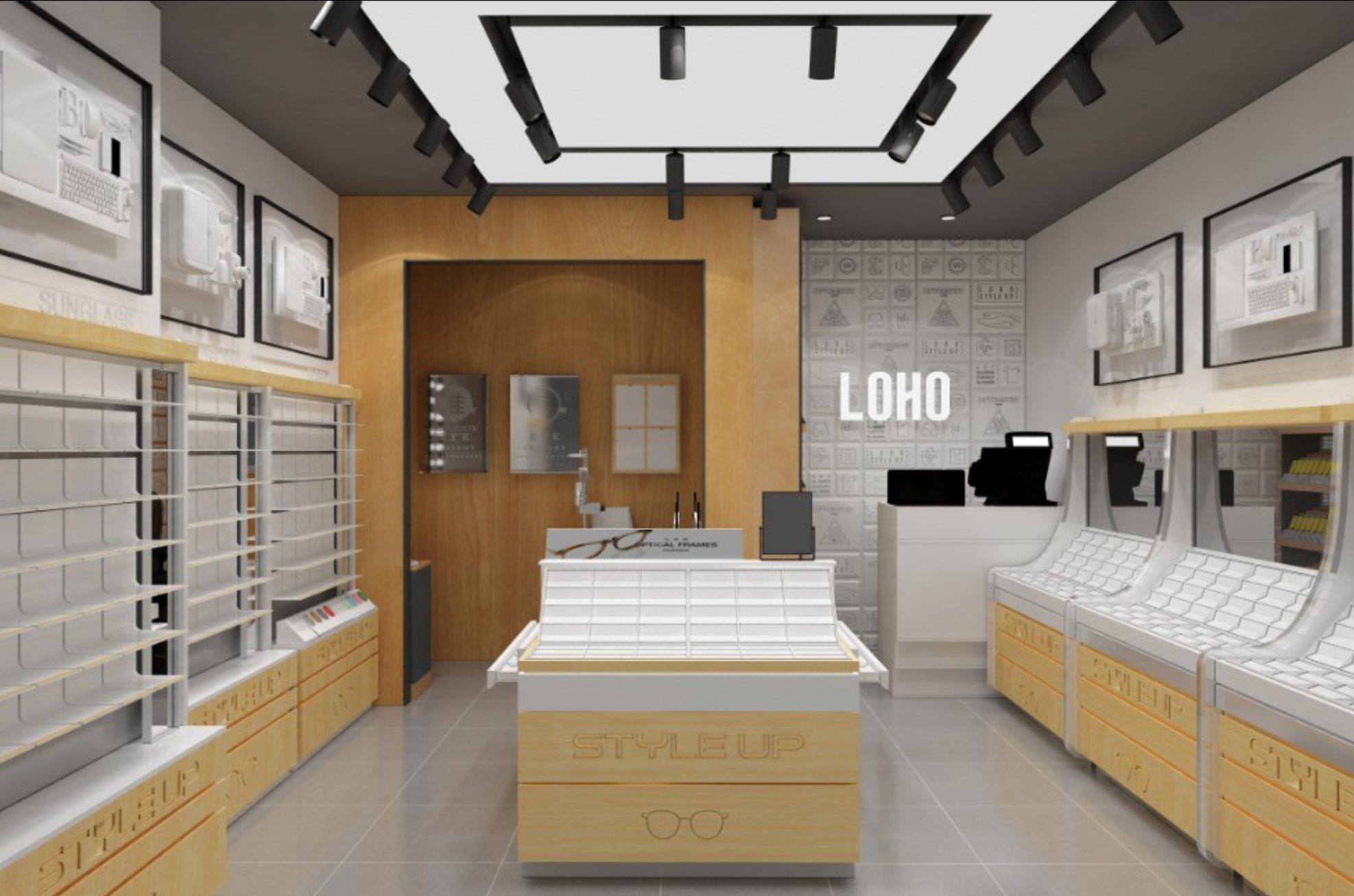
Optical Showcase category image showing custom retail fixtures by Elite Fixtures
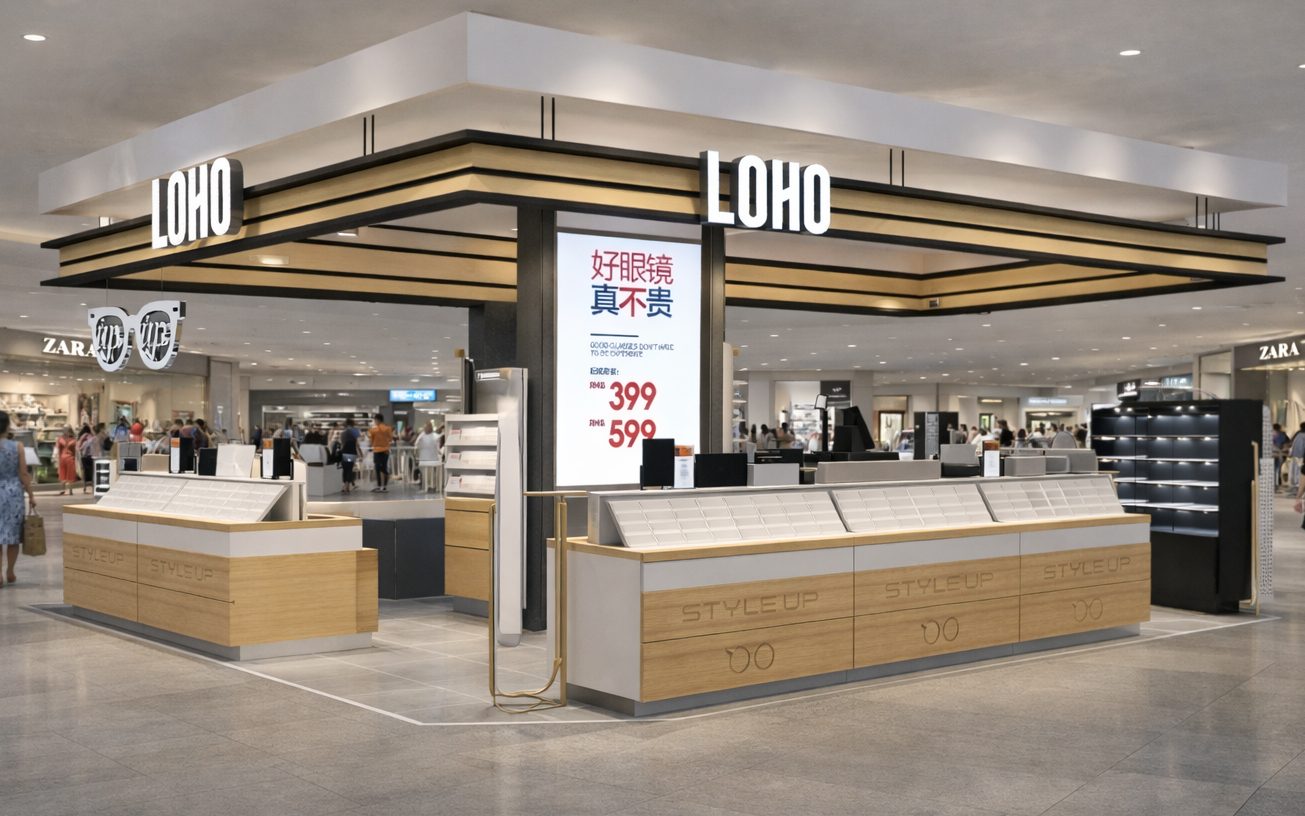
Optical store in a shopping mall with frame walls and counters

Optical Showcase

Elite Fixtures develops optical showcase systems that help stores present frames clearly while keeping drawers, mirrors, lighting, and staff access practical for daily selling. The goal is to make eyewear easier to browse, easier to try on, and easier for staff to manage.

Optical retail needs a different display rhythm from many other categories. Customers compare shapes, colors, and lens options at close range, so the fixture package has to keep frames visible without making the store feel cluttered.

That is why we plan eyewear fixtures around browsing comfort, mirror access, drawer storage, product zoning, and the practical movement of staff during fittings or consultations. A strong optical showcase system should feel clean on the sales floor while still supporting dense inventory behind the scenes.

Quick details

Applications

Optical retail, Eyewear boutiques, Sunglass stores, Vision centers

Subcategories

Optical wall showcase, Eyewear display counter, Sunglass bay, Mirror and drawer display system

Deliverables

Fixture planning, Optical display detailing, Fabrication, Packing and installation guidance

Project types

Optical boutiques, Eyewear chain refreshes, Mall optical kiosks, Sunglass-focused retail corners

Request a Quote

Specific Products

Open a more detailed product page

Review detailed specifications, applications, gallery images, and quote requirements for products in this category.

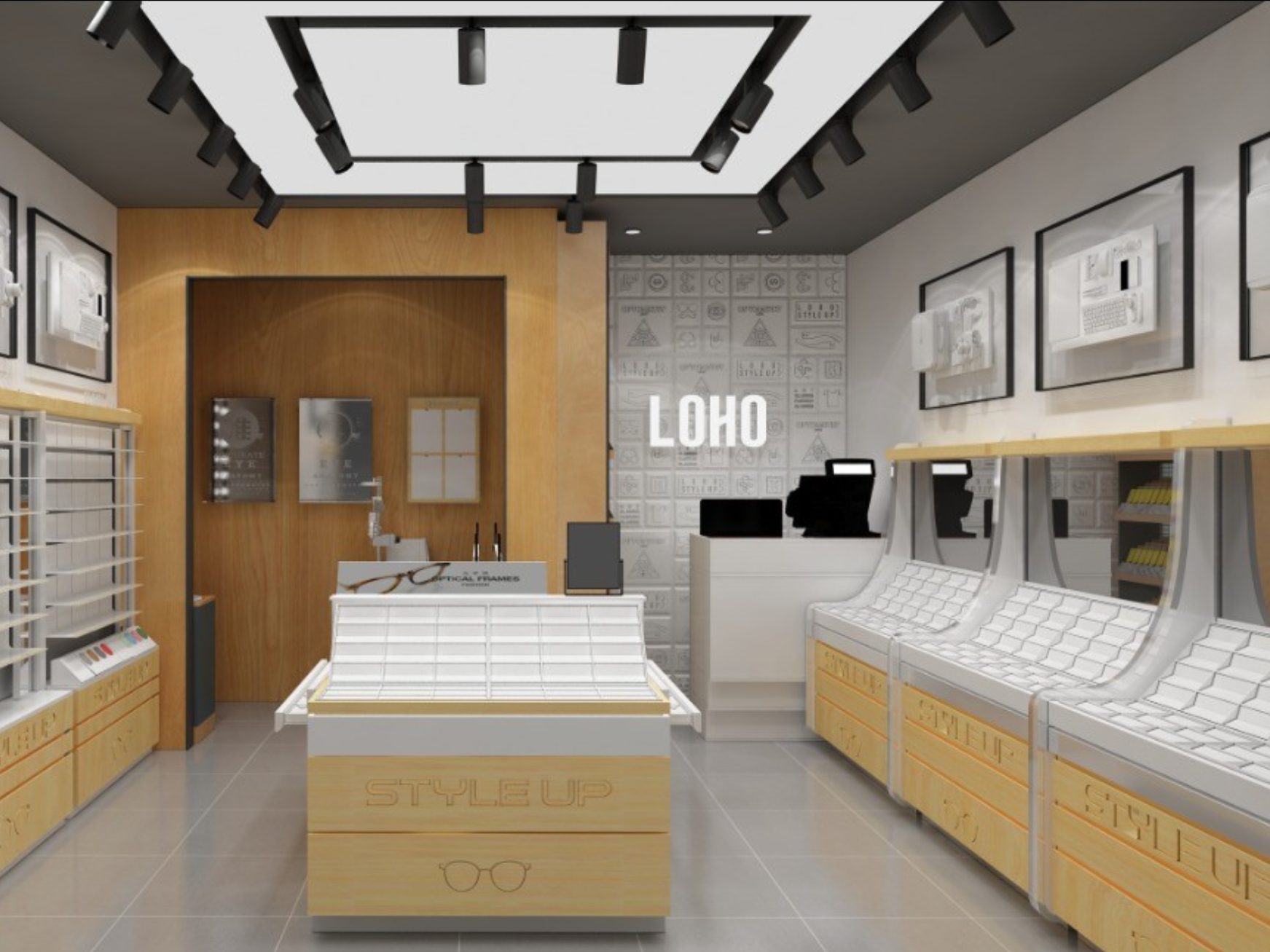
Optical Frame Display System custom retail fixture by Elite Fixtures

Optical Frame Display System

A custom optical fixture system built for eyewear display, mirror-assisted fitting, and organized frame storage.

View product

Product Focus

Optical Frame Display System fits this category best

Our most-quoted product in this category. Before opening the detail page, here is what most buyers want to confirm first.

Typical applications

  • Optical stores
  • Eyewear boutiques
  • Sunglass retail
  • Vision center displays

Key features

  • Keeps frames visible while hiding dense inventory in drawers and cabinets
  • Supports customer browsing, fitting, and product comparison with cleaner sightlines
  • Can combine mirrors, consultation surfaces, and cashier-adjacent display zones
  • Adaptable to boutique, mall, or chain optical store layouts
What to send first

Store dimensions, Frame count, Need for drawers, mirrors, or lockable zones

Best next step

Open the detailed product page to review the gallery, product-level FAQ, and request a quote with clearer scope.

At a glance

Category specification summary

The details buyers ask for first, in one table.

Material Painted MDF, plywood, tempered glass, powder-coated metal, acrylic holders, mirrors, and LED trim
Display Type Wall-mounted frame display, center optical island, cashier showcase, or mixed eyewear fixture package
Storage Integrated frame drawers, concealed cabinets, accessory trays, and back-stock support
Lighting Optional LED shelf or mirror lighting for cleaner product visibility
Service Store fixture planning, technical drawings, customization, and production support
Project Scope Independent eyewear boutiques, chain optical stores, kiosks, and shop-in-shop eyewear zones
Materials Painted wood cabinetry · Powder-coated metal frame supports · Tempered glass tops or wings · Mirror panels · Acrylic frame holders · Integrated LED details
Finishes Soft matte white · Natural wood accents · Light oak veneer · Black hardware and trim · Champagne accent metal · Brand-matched painted details

What this category does well

  • Optical wall displays, frame drawers, mirror stations, center showcase tables, and cashier-adjacent display counters
  • Layouts that support browsing, fitting, and product comparison without crowding the sales floor
  • Storage-aware fixture planning for frame inventory, accessories, and cleaning tools
  • Finish combinations that suit boutique eyewear stores, mall units, and premium vision retail
  • Improves frame visibility
  • Supports fitting and staff workflow
  • Combines display with organized storage

Project support

  • Store layout review
  • Optical wall and counter planning
  • Mirror and storage coordination
  • Detailed drawings
  • Factory production
  • Shipping support

In Depth

Specifying optical showcase: sizes, materials, and buying notes

The fixture types in an optical package

An eyewear display package is usually five fixture types doing five jobs. Perimeter frame walls carry the bulk of the assortment. Centre islands hold curated selections and break up the floor. Dispensing positions are where the sale closes. The cashwrap handles transactions and often doubles as a secure showcase. Lockable cases hold designer lines.

Proportions shift with format. A clinic-adjacent vision centre needs more dispensing positions and back stock, because the appointment drives the visit. A sunglass-led boutique needs more open browsing and mirrors. A mall unit does both in less space. The range is in our optical showcase category.

  • Frame walls: the bulk of the displayed assortment
  • Islands and tables: curated and seasonal selections
  • Dispensing positions: where the sale is closed
  • Lockable cases: designer lines and high-value sun

Frame density and the store format

Density is the central specification decision for optical store fixtures. Dense spacing puts more SKUs on the wall and makes every frame look like stock. Generous spacing sells better per frame and needs more linear wall for the same assortment.

Most independents run both: a denser value wall carrying breadth, and a sparse, well-lit premium wall. Chains standardise one density so planograms transfer between stores. Count the frames you want displayed, not the frames you own - back stock belongs in drawers under the wall, which is cheaper per frame stored.

Eye-level bands, mirrors and circulation

Eyewear is bought at close range. Customers step to the wall, pick up a frame, put it on and turn to a mirror, so the package has to support that loop in a small area. Aisle depth in front of a frame wall must let a customer step back while another passes behind.

Display height splits into bands: a prime band at comfortable standing reach for the core assortment, a display-only band above it, and slower lines below. Mirrors are distributed through the walls rather than centralised, since one mirror at the back pulls customers away from the assortment. Plan mirror positions with the bays so wiring is drawn once.

  • Aisle depth for stepping back and passing behind
  • Prime band for core assortment, upper band for storytelling
  • Mirrors spread through the display zone
  • A seated fitting position with its own larger mirror

Secure display versus open display

Every package decides what is reachable and what is behind glass. Open display sells better, because the try-on is the sale. Locked display protects value and is hard to avoid for top price bands and for sunglasses in high-traffic mall positions.

The answer is usually zoned: most of the wall open, a lockable bay or glass-fronted case for designer lines, locks on drawers holding high-value back stock. Staff sightlines matter, since a wall visible from the dispensing table needs less locking. Enclosed presentation is drawn from our display cases range.
Optical fixtures being installed with frame bays and a service counter
Frame bays and dispensing counters go in as one coordinated install.

Lighting and colour rendering across the package

Eyewear is a glare problem in every direction. Lenses, polished acetate and metal temples all reflect, and a customer at a mirror wants to see the frame, not a light source. Diffused, indirect light beats bright points aimed at the wall, and that has to hold across the package rather than bay by bay.

Colour rendering is worth paying for here, because frame colour and lens tint are the purchase decision and tints shift badly under low-rendering sources. Keep one colour temperature everywhere, including mirrors and the dispensing table: warmer flatters in a boutique, more neutral suits a vision centre beside an exam room.

Dispensing tables, fitting areas and storage

The dispensing position is the most under-specified fixture in most optical quotes and does the most work. It needs a clear surface at the working height for the chosen posture - seated fitting and standing consultation differ - plus drawers in reach, a power outlet, and room for a lens demonstration set.

It should sit out of the entrance traffic path while still letting staff see the door. Storage under the dispensing area and the frame walls keeps the store from looking like a warehouse, and full-extension runners let staff see the back row where three-quarter runners do not.

Scaling the package, shipping and comparing quotes

Optical standardises well because the fixture vocabulary is small. Fix a bay module, holder pitch, drawer bank, mirror unit and finish set, then build different store sizes by repeating bays. Keep a spares allowance of holders, shelves, an LED strip, a driver and touch-up, because matching a batch later is unreliable. Standardising layouts is the main work of our store design service.

Packages ship as a mix: cabinets assembled where size allows, tall wall runs in sections, mirrors in dedicated crates with interleaving. We build in Huizhou, China, and most North American orders move by sea freight. On site, runs are levelled, scribed and top-fixed into suitable blocking, and power is connected by a local licensed electrician.

Compare specifications, not prices: drawer runner grade, holder type, lighting and driver inclusion, mirror thickness and backing, lock type, and assembled versus knock-down. Lead time is confirmed after drawings are approved on our lead time page; a single wall build is detailed on our optical frame display system page.
FAQ

Frequently asked questions

Most frequent questions and answers for this optical showcase page, based on the kind of project details buyers usually need before design, quotation, production, shipment, installation, and after-sales support.

What information helps start an optical showcase project?

The best starting package includes the floor plan, approximate frame quantity, category mix such as optical vs sunglasses, desired number of mirrors, and any reference style images.

Can the fixtures include both display and storage?

Yes. Optical projects often combine front-facing frame display with integrated drawers, base cabinets, or back-stock support so the store stays organized.

Can mirror and lighting details be integrated?

Yes. Mirror stations and lighting details can be planned into wall bays, consultation areas, or center fixtures depending on the store concept.

Is this suitable for chain rollout work?

Yes. Optical fixture families can be standardized for repeat production while still allowing adjustments by store size or merchandising mix.

Do you provide shipping and installation support?

Yes. We prepare export packing, unit labeling, and installation-minded breakdowns to make optical fixture delivery and site coordination easier.

How much do optical display cases cost?

The drivers are size, construction and security rather than a per-case rate. Glass specification, lock type, lighting and driver inclusion, drawer runner grade and finish quality all move the number. Cases quoted inside a full package are usually cheaper per unit, because drawings, finishes and crating are shared.

How many frames should be on display in an optical store?

Count what you want visible rather than what you own. Displayed frame count is a trading decision: dense spacing carries more SKUs and reads as inventory, generous spacing sells better per frame and needs more linear wall. Most stores run both a denser value wall and a sparse premium wall, keeping the rest as back stock in drawers.

What lighting is best for eyewear display?

Diffused, indirect light rather than bright points aimed at the wall, because lenses, acetate and metal all reflect. Colour rendering matters more here than in most categories, since frame colour and lens tint are the purchase decision. Use one colour temperature across the frame walls, mirrors and dispensing table.

How long does an optical fixture package take to produce?

The stages are layout, quotation, shop drawings, approval, production, quality check, packing and shipping, with sea freight transit on top. Mirror and glass elements and lighting integration add steps, and drawing approval is the gate that sets everything after it. Lead time is confirmed after drawings are approved.

Can optical fixtures be standardised for a chain rollout?

Yes, because the fixture vocabulary is small. Fix a bay module, a holder pitch, a drawer bank, a mirror unit and a finish set, then build store sizes by repeating bays. Later stores reuse approved drawings and tooling, planograms transfer, and replacement parts stay available because they are the same parts.

Next step

Send the following information so the category scope can be reviewed more accurately.

  • Store dimensions or floor plan
  • Frame count and category mix
  • Need for mirrors, drawers, or lockable storage
  • Preferred finish direction
  • Opening schedule and delivery city
Contact our team

Need a Quote?

Share your store concept, category, and timeline

Reach our Toronto office for project coordination and use the factory-backed production workflow for custom fixtures, display systems, millwork, and rollout-ready fit-out support.