Product Category

Watch display showcases and branded counters built for precision presentation and premium retail control.

This category focuses on watch display counters, tray-based timepiece showcases, island vitrines, wall cabinets, and branded display furniture for luxury watch retail and premium accessory programs.

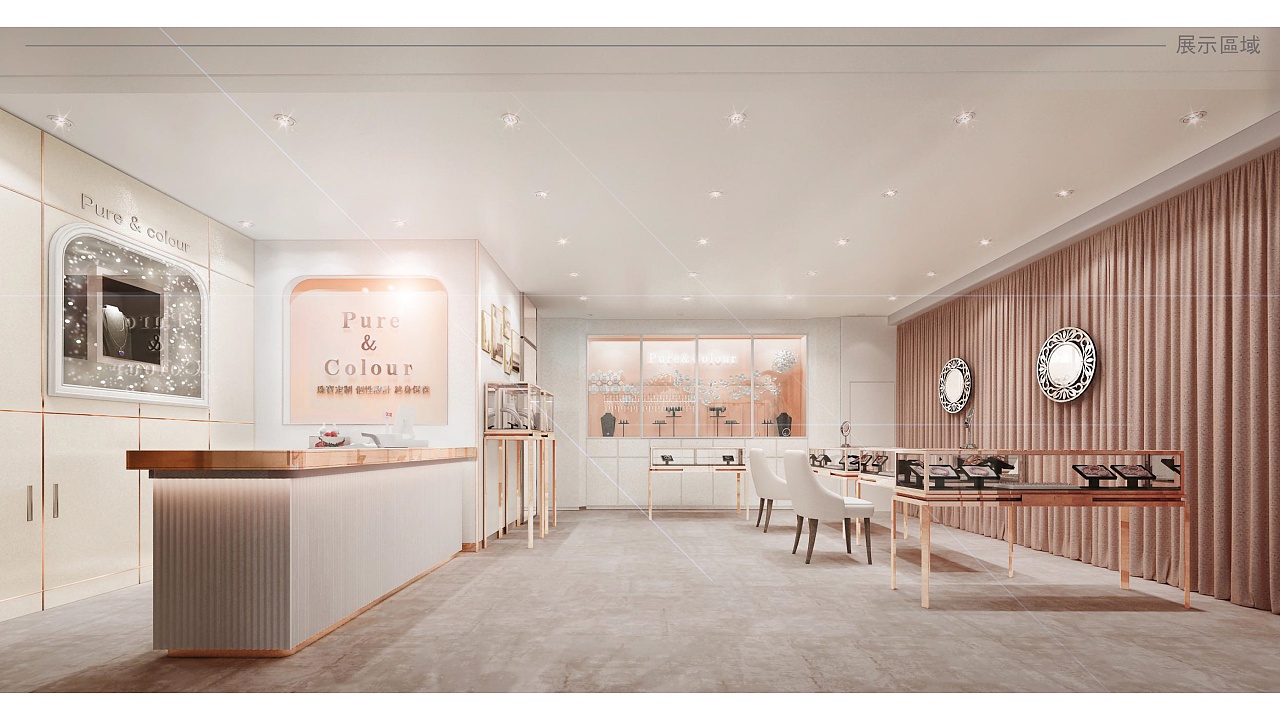
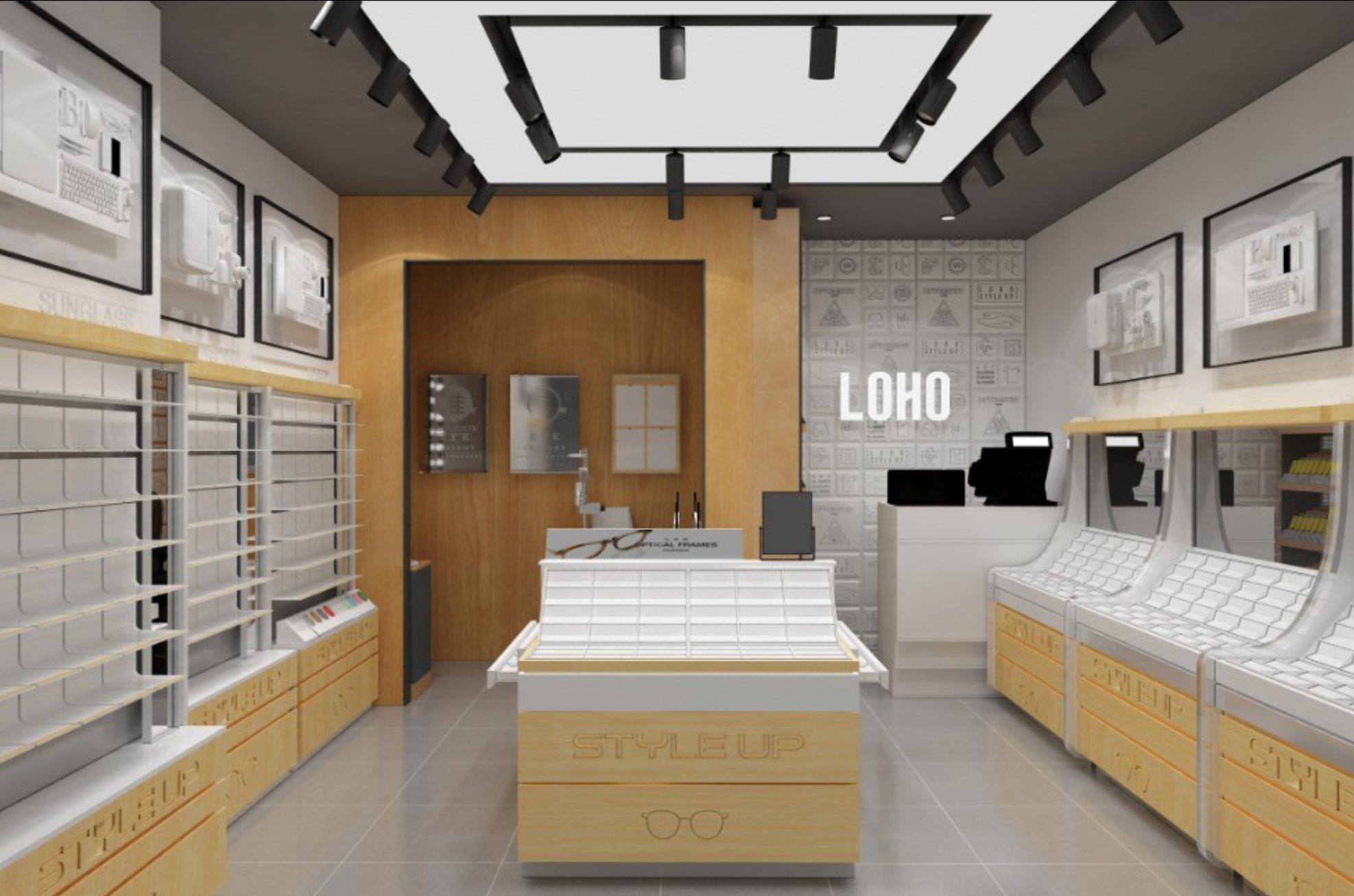
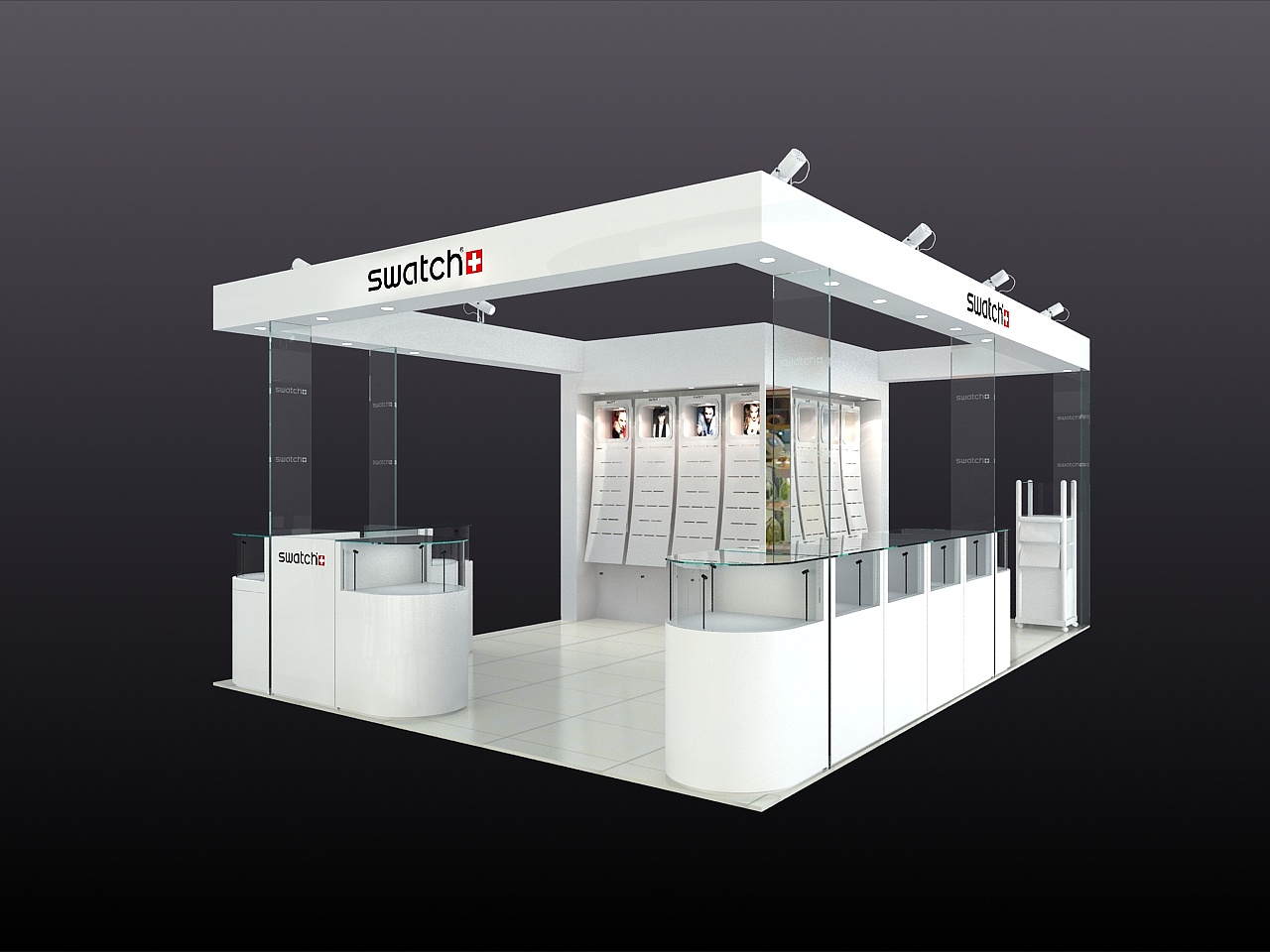
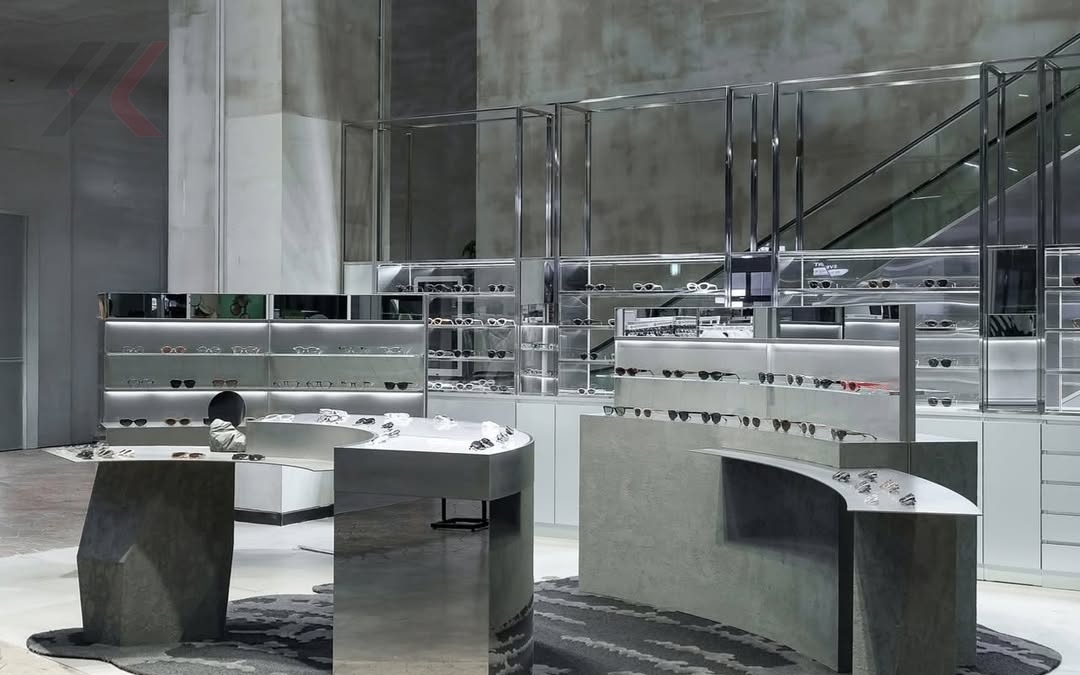
Watches category image showing custom retail fixtures by Elite Fixtures
Watch display counter concept in glass and brushed metal

Watches

Elite Fixtures develops watch display systems that support high-visibility presentation, disciplined product spacing, secure daily operation, and stronger brand storytelling. These systems are built to present fewer products more clearly, with attention to material transitions, lighting, and staff handling comfort.

Watch retail often needs more disciplined spacing than many other categories. The display has to make one timepiece feel special without losing the broader collection story, which means proportion, lighting, and tray logic matter a great deal.

A strong watch showcase program supports careful comparison, better staff presentation, and safer day-to-day operation. It should feel controlled, premium, and calm rather than visually noisy.

Quick details

Applications

Watch boutiques, Luxury accessory stores, Department store watch zones, Collector display retail

Subcategories

Watch display counter, Luxury wall showcase, Tray vitrine, Timepiece consultation table

Deliverables

Display planning, Watch case detailing, Fabrication, Packing and installation guidance

Project types

Luxury watch boutiques, Shop-in-shop watch zones, Premium accessory counters, Collector-focused retail displays

Request a Quote

Specific Products

Open a more detailed product page

Review detailed specifications, applications, gallery images, and quote requirements for products in this category.

Luxury Watch Display Counter

A luxury watch display counter built for tray presentation, controlled lighting, and secure premium retail operation.

View product

Product Focus

Luxury Watch Display Counter fits this category best

Our most-quoted product in this category. Before opening the detail page, here is what most buyers want to confirm first.

Typical applications

  • Watch boutiques
  • Department store watch zones
  • Luxury accessory counters
  • Collector display retail

Key features

  • Helps each watch read more clearly with disciplined spacing and lighting
  • Supports tray-based presentation and premium daily handling
  • Suitable for boutiques, shop-in-shop counters, and watch brand zones
  • Can be customized to brand palette and material identity
What to send first

Watch quantity, Need for trays or drawers, Security level

Best next step

Open the detailed product page to review the gallery, product-level FAQ, and request a quote with clearer scope.

At a glance

Category specification summary

The details buyers ask for first, in one table.

Material Ultra-clear glass, painted cabinetry, luxury veneer, metal trim, watch trays, and LED lighting
Display Type Timepiece counters, branded vitrines, wall showcases, island displays, and consultation furniture
Security Lockable glazing, concealed drawers, reinforced bases, and controlled staff-only storage
Lighting Integrated LED tuned for dial, strap, and case visibility
Service Brand adaptation, showcase customization, drawing package, and production support
Project Scope Boutique launches, luxury refreshes, watch zones, and repeat branch fixture programs
Materials Ultra-clear glass · Luxury veneer panels · Painted MDF bases · Metal trims · Watch tray inserts · Integrated LED details
Finishes Warm oak and cream palette · Gloss lacquer accents · Brushed champagne metal · Dark luxury wood veneer · Soft matte black · Premium neutral tones

What this category does well

  • Watch counters, tray showcases, wall cabinets, central vitrines, and consultation-ready branded furniture
  • Display spacing that helps individual timepieces read more clearly instead of blending together
  • Security-minded construction with concealed access and controlled storage
  • Premium material direction suitable for luxury watch boutiques and shop-in-shop counters
  • Improves premium presentation
  • Supports secure product handling
  • Creates stronger one-product focus

Project support

  • Watch zone planning
  • Tray and lighting coordination
  • Brand detailing
  • Technical drawings
  • Production and QC
  • Shipping support

In Depth

Specifying watches: sizes, materials, and buying notes

The fixture types in a watch program

Watch retail uses a narrower set of fixtures than most categories. The counter run is the working centre: display on top, trays inside, storage and usually a writing surface. An island vitrine suits a floor that can be walked around, and stays lower than wall units so sightlines stay open. Wall cabinets carry brand blocks without using floor. A consultation table supports the seated part of the sale. A strap-fitting point is the fifth unit independents most often forget.

The split depends on whether the store is multi-brand or mono-brand. A multi-brand retailer needs flexible, finish-consistent fixtures that can be re-zoned as brands change. A mono-brand boutique or shop-in-shop zone usually works to a brand fixture guideline covering panel sizes, logo positions and finishes, and the cabinet is built around those constraints. Send any guideline with the enquiry, because it changes the cabinet and not just the finish. Single-unit detail is on our luxury watch display counter page, and stores combining categories quote alongside our jewelry fixtures category.

  • Counter run: trays, storage, writing surface, the working centre
  • Island vitrine: walked around, kept low for sightlines
  • Wall cabinets: brand blocks and collection depth, no floor used
  • Consultation table: seated selling and comparison
  • Strap-fitting or service point: bench, tools and a place to sit

Planning display capacity across the store

Capacity is planned from piece count outward, and the number that matters is how many watches you want visible at once, not how many you own. Spacing is the point of the category: a crowded tray makes every piece look cheaper. Choosing to show fewer pieces more generously has a direct effect on how much cabinetry you buy.

Work in trays rather than metres. Decide tray sizes and how many pieces each carries at the density you want, allow for trays that return to the safe at closing, and let counter length follow. Then check it against staffing, because a run longer than one person can supervise leaves stock unattended.

Price band changes layout more than store size does. Entry and mid-range collections sell on comparison and can run denser trays. High-value pieces want space around them, fewer per tray and a seated position nearby. Most stores run both, keeping one finish family and changing interior density between zones.

Trays, cushions and interior layout

Trays are the part of a watch fixture handled most and specified least. Cushion size has to suit the strap: a leather strap and a steel bracelet sit differently, and a bracelet needs a wider cushion or the links splay. Ordering one cushion size for a mixed assortment is a common and visible mistake.

Stepped risers matter more here than in most categories, because a dial is read from the front rather than from above. Lifting the back row a few centimetres turns a flat grid into something a standing customer can scan. Removable risers let a store rearrange for a new collection without touching the cabinet.

Suede and microfibre linings come in grey, cream, black and brand colours. Grey is the safe default for steel and white metals, cream warms yellow and rose gold, black shows dust immediately. Order spare trays and cushions with the first shipment, because lining batches drift and cushions compress with use.

Winders, power and cable routes

Automatic winders turn a display case into a powered fixture, and that has to be planned rather than retrofitted. Winders need a supply inside the case, a cable route that does not cross the display face, and room behind or below the tray. A winder dropped into a case designed without one ends up with a visible cable.

Tell us at enquiry stage how many winders you expect, whether they are battery or mains, and where they sit. We run a concealed chase with outlet positions specified per unit and bring cable out through a grommet at the tray deck. A switched circuit lets the case be powered down at closing. Winders also add heat to a closed volume, which is another reason to keep drivers in a ventilated base. We build the chase, outlet mounting and cable route and supply a wiring layout; final connection to building power is done by a local licensed electrician.
Watch and jewelry counter run with illuminated glass cases
One light temperature across the run keeps metals reading the same.

Glass and lighting that does not overheat the case

A watch is the most reflective thing a store can put under glass. Crystals, polished cases and bracelets all act as small mirrors, so glare is the central optical problem. Low-iron glass is the first upgrade, because the green cast of standard float sits directly over a steel bracelet and dulls it. Anti-reflective coating is the second, and it earns its cost on cases facing a window or a lit wall. Thickness follows span and duty as in the rest of our display case range.

Lighting works in two layers. Diffused LED strip in a recessed channel gives base fill, placed so light travels back across the trays rather than down onto a crystal. Aimed accent fittings from a steeper angle bring out case polish. The failure mode is almost always too much unshielded direct light.

Colour temperature between roughly 3000K and 4000K covers the category, warmer for rose gold and leather, cooler for steel and white gold, kept identical across the zone. Heat is a practical issue in a closed, tray-lined case that also holds winders: it is unkind to suede linings and shortens component life.

Locking, comparing quotes and getting a package priced

The standard arrangement is fixed glazing facing the customer and lockable access facing staff. Beyond that the decisions are operational: keyed alike or separately, how many staff carry keys, and which drawers stay locked during trading — all settled before production, because rekeying a delivered run is slow. The most useful design decision is making whole trays lift out into a safe at closing, which needs full-extension runners and tray sizes matched to the safe shelves. We will specify laminated glass, reinforced bases and tubular locks on request, but we make no burglary-resistance claims for any display case.

Two quotes can differ widely for reasons that never appear in the description. Ask everyone to price one written specification: glass type and thickness, coating on which panels, tray count, cushion types and lining, winder count and power arrangement, lock type and keying plan, lighting temperature and driver location, carcass and finish, and crating method. Then check exclusions — trays and spares, freight terms, duty, installation, drawing revisions and the site electrical connection are where a low number loses its advantage.

Units ship fully assembled where size allows, foam-wrapped, corner-protected and crated; long runs split into sections and loose glass travels in dedicated crates. We build in Huizhou, China, and most North American orders move by sea freight — check crate sizes against your lift and tightest corner before ordering. For a quote, send run dimensions or a store plan, how many pieces you want visible, tray and cushion types, winder count, any brand guideline, security requirements, finish direction, lighting temperature, quantity and destination city. Lead time is confirmed after drawings are approved — see our lead time page. Layouts run through our store design service and operating questions are on our FAQ page.
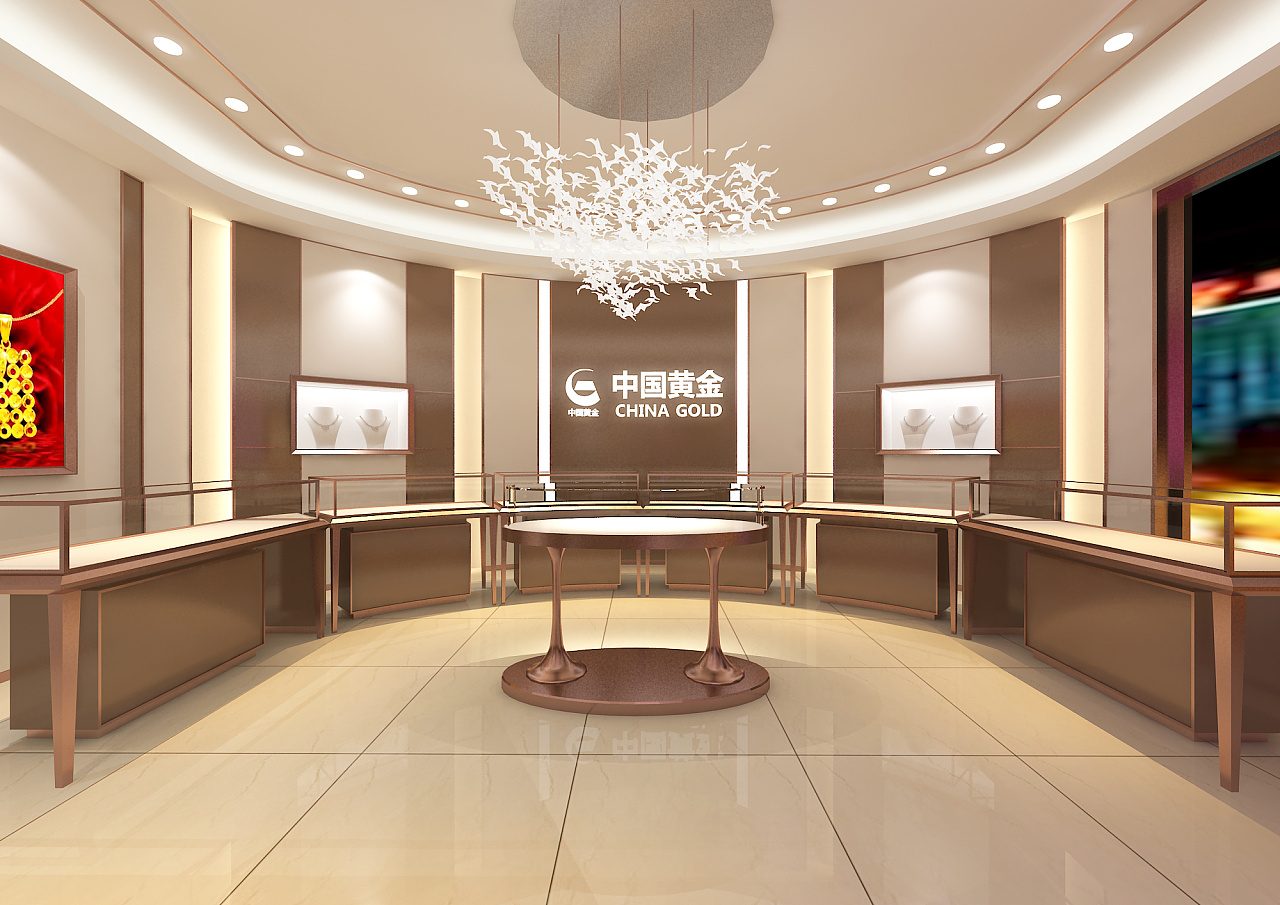
Illuminated island showcase for watches and fine jewelry
An island reads from four sides, so it suits the hero category.

FAQ

Frequently asked questions

Most frequent questions and answers for this watches page, based on the kind of project details buyers usually need before design, quotation, production, shipment, installation, and after-sales support.

Can the watch showcases include tray systems?

Yes. Tray-based organization is common for watch projects and can be coordinated with drawer storage and counter presentation.

Can the lighting be adjusted for premium watch display?

Yes. We can coordinate lighting around clearer dial visibility, controlled reflection, and a more premium presentation mood.

Can this be adapted for a brand counter or mall boutique?

Yes. The same system logic can work for a branded island counter, wall showcase package, or full boutique environment.

Do you support repeat rollout work for watch retailers?

Yes. Watch fixture families can be standardized for branch rollout while still allowing store-by-store variation where needed.

How much does a watch display case cost?

We quote against a specification rather than from a list, because the same counter can be built at very different levels. The drivers are glass type and thickness, whether the visible panels are low-iron or anti-reflective coated, tray and cushion count and lining, whether winders are powered inside the case, lock type and hardware grade, whether the carcass is sprayed lacquer or veneered, brand panel work, and crating. A run built on one repeated module costs less per unit than the same number of one-off cabinets.

How many watches fit in a display counter?

Capacity is set by tray layout rather than cabinet size, and the right answer is usually fewer than the maximum. Trays are made to hold a small fixed number of pieces, and cushion width has to suit the strap type, since a bracelet needs more room than a leather strap. Crowding a tray makes every piece look cheaper. Decide the density you want first, then size the counter around the tray plan.

Can watch winders be built into a display counter?

Yes, but it has to be planned rather than retrofitted. Winders need space behind or below the tray deck, a concealed cable route that does not cross the display face, and a supply point inside the case. Tell us the winder count and whether they are mains or battery at enquiry stage. We build the chase, outlet mounting and cable route and supply a wiring layout; final connection to building power is done by a local licensed electrician.

What lighting is best for a watch display?

Diffused fill plus carefully aimed accent, rather than more brightness. Crystals and polished cases behave like small mirrors, so unshielded direct light puts a reflection straight across the dial. Strip in a recessed channel with a diffuser gives the base layer; accent fittings from a steeper angle bring out case polish. A neutral to slightly warm colour temperature suits the category, kept identical across the whole zone. Drivers belong in a ventilated base section, because heat in a closed, lined case shortens component life.

How long does a custom watch display counter take to produce?

The schedule runs through design and shop drawings, your approval, production and quality check, then crating and freight. Where a brand fixture guideline applies, brand approval of the drawings is usually the largest variable and sits outside our control, so send any guideline with the enquiry. Lead time is confirmed after drawings are approved; our lead time page explains how the schedule is put together.

Next step

Send the following information so the category scope can be reviewed more accurately.

  • Watch quantity
  • Need for trays or drawers
  • Brand finish direction
  • Security level
  • Target opening date and city
Contact our team

Need a Quote?

Share your store concept, category, and timeline

Reach our Toronto office for project coordination and use the factory-backed production workflow for custom fixtures, display systems, millwork, and rollout-ready fit-out support.