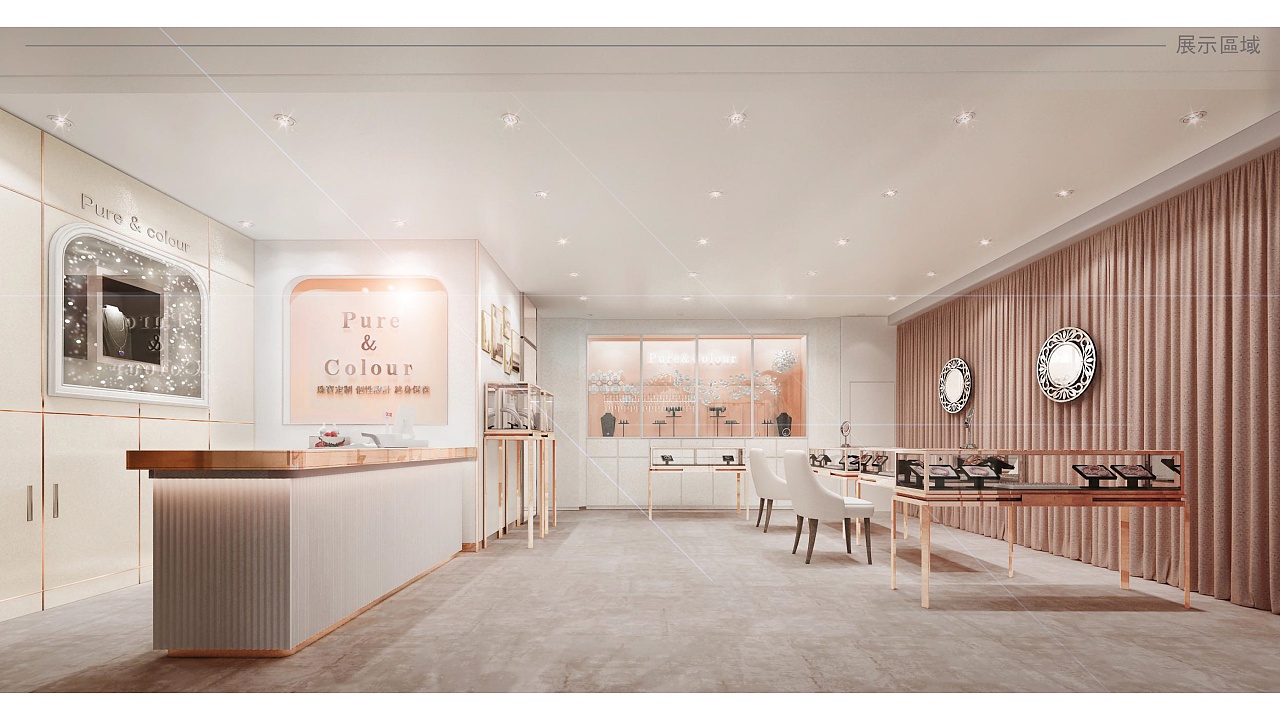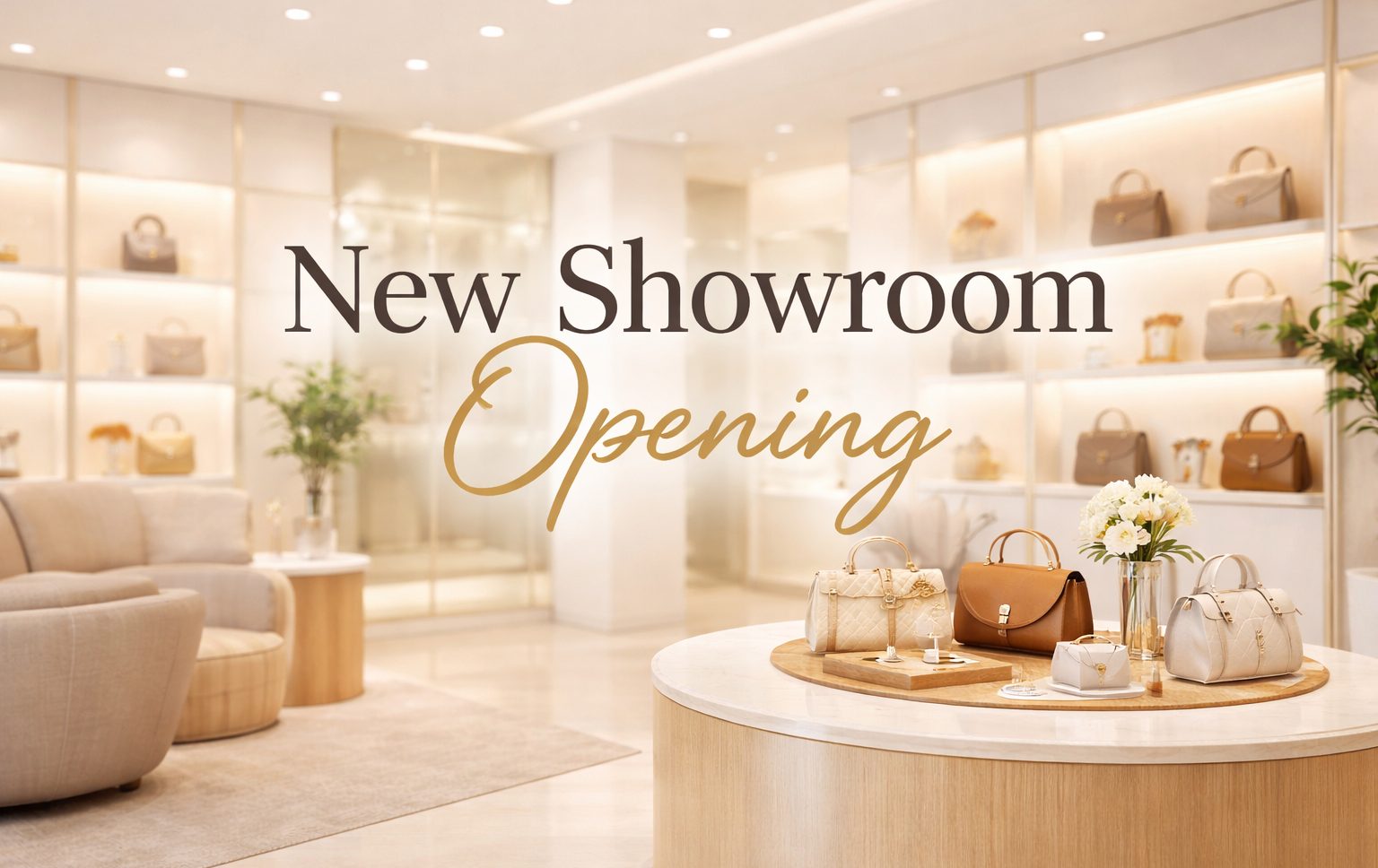
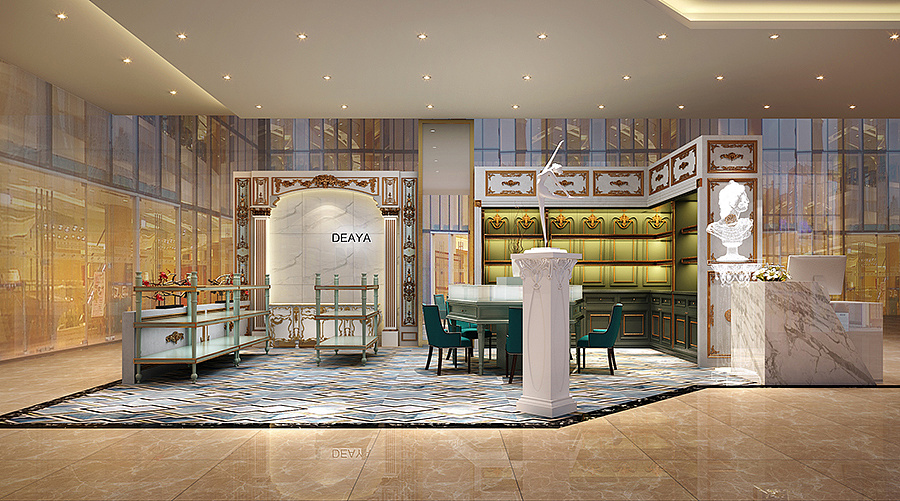
A project video shows what a product photograph leaves out: how a fixture is assembled, how the materials meet at the edges, and how the piece behaves once it is standing in a real store. Watching a build or install reel is one of the fastest ways to judge whether a fixture supplier actually produces the work it advertises.
The reel on this page is a recent Elite Fixtures project update. It runs for less than a minute, but it carries the same information a buyer would collect on a factory visit: material thickness, joint quality, lighting behaviour, and the way a finished unit is handled and set in place. This article explains what to watch for in that footage and how to turn what you see into a usable project brief.
What the footage actually shows
Still photography is edited. A render is a proposal. Video of a real build is harder to stage, which is why it carries more weight when you are comparing suppliers you have never met. Four things are visible in a short clip that rarely come across in a catalogue image.
Proportion is the first. On screen you can see how tall a counter sits next to a person, how deep a shelf runs, and how much floor a unit takes once it is out of the crate. Buyers frequently approve a drawing and then find the fixture reads heavier in the room than expected. Footage of the same unit in a store corrects that before production starts.
Finish behaviour is the second. Paint, laminate, veneer, glass, and brushed metal all react differently to store lighting. A matte panel that looks flat in a photo may show grain on camera. A gloss panel will show every reflection in the ceiling. Watching a finish move under light tells you more than a swatch does.
- How the fixture reads at human scale, not just in millimetres on a drawing
- How the finish behaves under store lighting rather than studio lighting
- Where the joints, reveals, and edge details fall, and how tight they are
- How the lighting is integrated and whether the light source itself is visible
- How the unit is packed, handled, and set in place on install day
Why short project video matters for B2B fixture buyers
Most fixture buyers are committing to a supplier before they ever see a finished unit. The order is placed on the strength of drawings, references, and a quotation. Video shortens that gap. It does not replace a proposal, a sample, or a signed drawing set, but it does confirm that the supplier is producing work now, in a real workshop, rather than reselling photographs.
That confirmation matters most in categories where visual execution is the product. Glass display cases, tester walls, and service counters all live or die on detail quality, and detail quality is difficult to describe in writing. The same is true for custom store fixtures built as a repeating family across several stores, where a small defect is multiplied by the rollout count.
Video also builds a connected proof chain. A reel on social media points to a project page, the project page points to a category, and the category points to a quotation. A buyer who watches a clip and then reads the matching Chako Lab drinkware kiosk project gets both the moving image and the written scope behind it. Each source makes the other more credible.
How to read a build video before you request a quote
Watch the clip twice. The first pass gives you an impression. The second pass is where you check specifics. Pause on the frames that show a corner, a door, a light channel, or a kickplate, because those are the places where cost-cutting shows up first.
Pay particular attention to anything that moves. Doors, drawers, hinged panels, and sliding glass are the parts a store team touches every day, and they are the parts that fail first when the hardware is under-specified. If a clip shows a drawer running or a display door closing, that is deliberate, and it is worth slowing down for.
Also watch the install sequence. A fixture that arrives as one welded piece and a fixture that arrives as five flat-packed panels behave very differently in a mall corridor with a service lift and a narrow back door. If your site has access restrictions, raise them at the quotation stage rather than on delivery day.
- Corners and mitres: are the joints tight, or are gaps filled and painted over?
- Light channels: can you see the individual LEDs, or only an even wash?
- Glass edges: are they polished, and how are the panels supported?
- Moving parts: do doors and drawers run square and stop cleanly?
- Base details: is there a level adjuster, and how is the fixture set against an uneven floor?
- Cable routing: where do the power feeds enter, and are they concealed?
Turning a reel into a project brief
If the footage matches the direction you are planning, the useful next step is to translate what you liked into specifics. A reference clip with no written scope produces a vague quotation. A reference clip plus dimensions, product categories, and a target date produces a quotation you can actually compare against another supplier's.
Send the store dimensions or a floor plan, the product categories you need to display, any brand colour or material direction, the store count if this is a rollout, and your target opening date. If you have site photos, include them. For a beauty or personal care format, point us at the beauty tester wall display system as a starting reference; for a service-led format, the custom service counter is a better baseline.
Two further pages are worth reading before you commit to a schedule. The lead time guide sets out how long design, sampling, production, and freight realistically take, and the factory page covers the production capabilities behind the work shown in these clips.
What a video cannot tell you
It is worth being clear about the limits. A reel cannot confirm lead time, tolerance, packing standard, or after-sales support. It cannot tell you whether a supplier will hold a delivery date across ten stores rather than one. It cannot show you how a finish looks after two years of cleaning.
Those answers come from drawings, samples, written specifications, and references from projects that have been open long enough to wear. Use video for what it is good at, which is a fast, honest read on execution quality, and use the written scope for everything else. When both point the same way, you are usually looking at a supplier worth shortlisting.