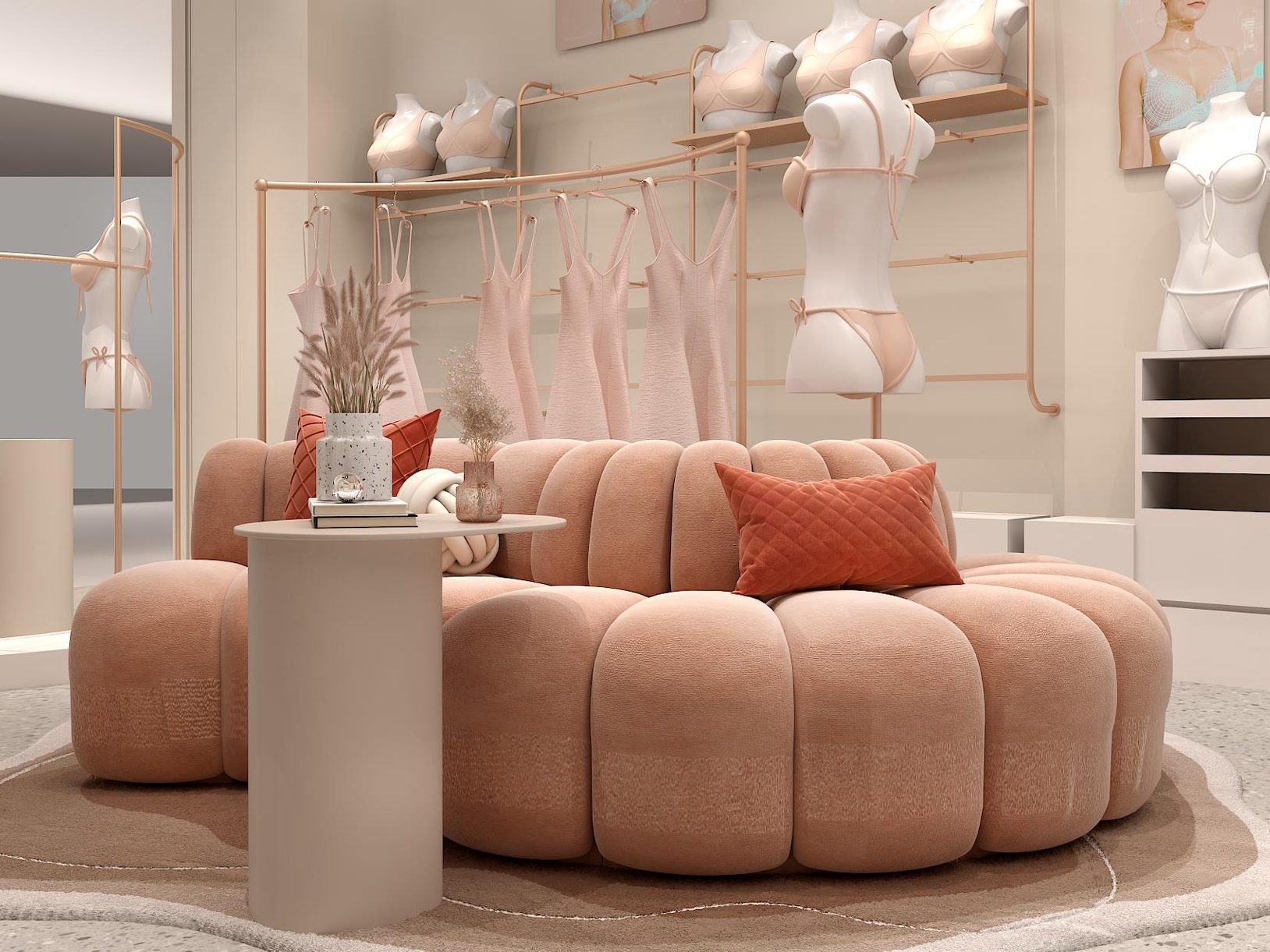
The rack types and what each is for
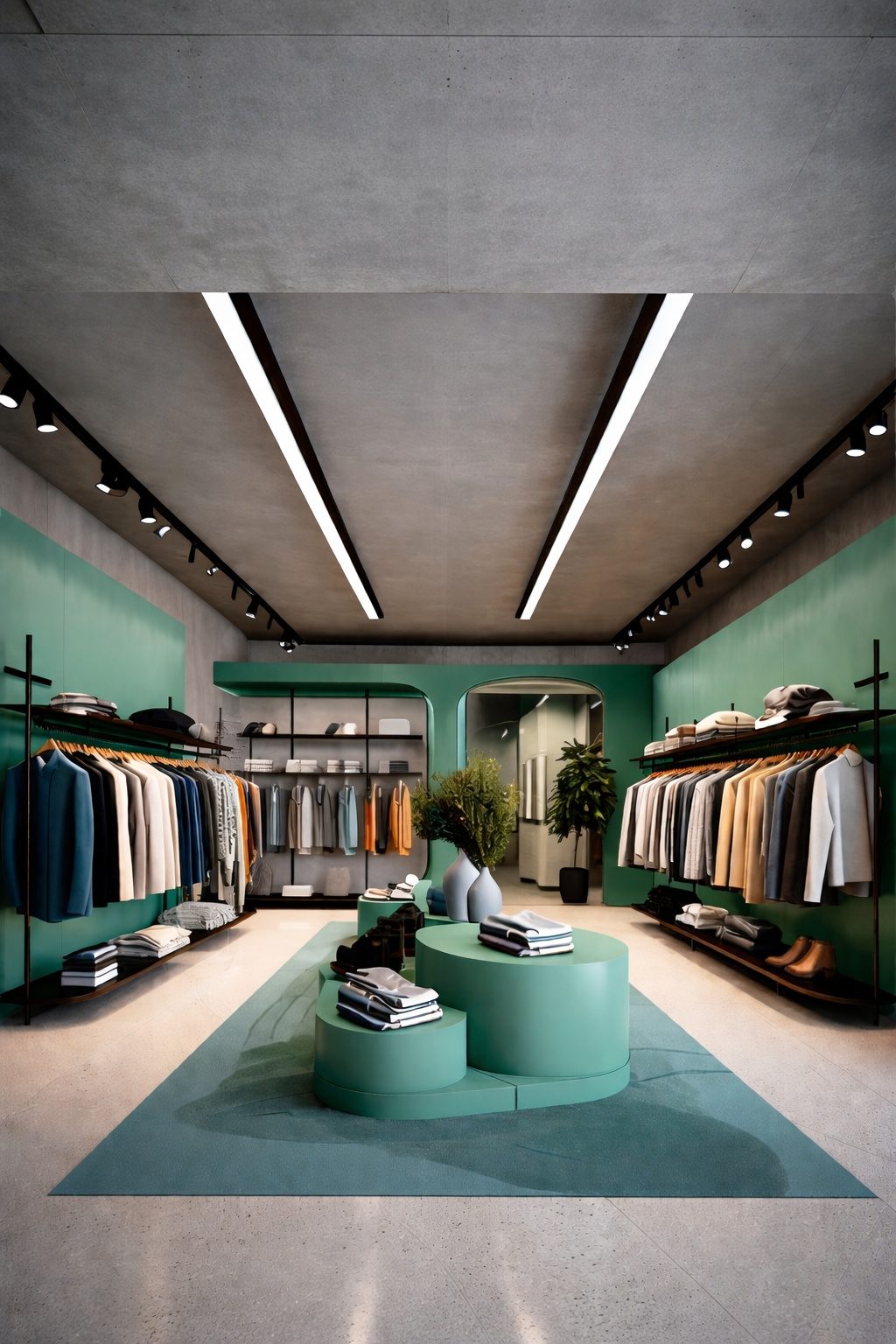
Clothing racks for retail stores look interchangeable in a catalogue and behave differently on a floor. A straight rail carries the most garments per linear metre and reads as inventory, so it suits a wall. A double rail doubles density in the same footprint but only with shorter garments. A round rack holds volume in a small area.
Two-way and four-way racks face garments at the customer instead of edge-on. A four-way suits a crossroads position; a two-way works against a wall or in a narrow aisle. Both hold fewer units than a straight rail, which is the point. Most apparel floors need three or four types from our clothing racks category.
- Straight rail: maximum density, wall and back-of-store
- Double rail: density in the same footprint, short garments only
- Four-way and two-way: face-out selling at traffic points
- Wall-mounted rail: frees the floor, pairs with shelving below
Decide the hanging-to-folded ratio first
The rack list should come out of a merchandising decision. Knitwear, denim and heavy sweats fold better because hanging distorts them. Shirts, dresses, tailoring and outerwear hang. Get the split wrong and you buy racks you cannot fill or tables you cannot stock.
Folded goods need surfaces: tables, nesting units and base decks. Hanging goods need rails plus aisle space to flick through them. An all-rail floor is hard to read; an all-table floor holds fewer units and needs constant refolding labour. Send us the rough split and the categories behind it.
Rail height bands by garment category
Rail height is set by garment length and by reach, and the two pull against each other. The upper rail should sit where a customer can lift a hanger off without reaching overhead. A lower rail has to clear the floor with the longest garment on it, plus a gap for hems and cleaning.
Categories land in different bands. Shirts, tops and folded-over trousers suit double-rail density. Dresses and coats need a single high rail. Childrenswear sits lower throughout, which is often missed when a family store uses adult-height fixtures in a kids zone. Send measured lengths on the hanger, not category names.
- Longest garment on the hanger, measured, per rail
- Upper rail within unaided reach
- Floor clearance under the lower rail for hems and cleaning
- A separate height standard for childrenswear
How capacity and span differ between rack types
Capacity claims only mean something alongside span and load. A rail sags when the unsupported span is too long for the tube section, or the weight per linear metre is higher than the design assumed. Outerwear and denim load a rail far more than light apparel, so a rack sized for blouses will bow under coats.
We do not publish one load figure for the category, because it changes with tube section, span, bracket spacing and wall fixing. Tell us the peak load, not the average. Round and four-way racks carry mass over a wide base; tall narrow units need a weighted or wider base, checked loaded rather than empty.
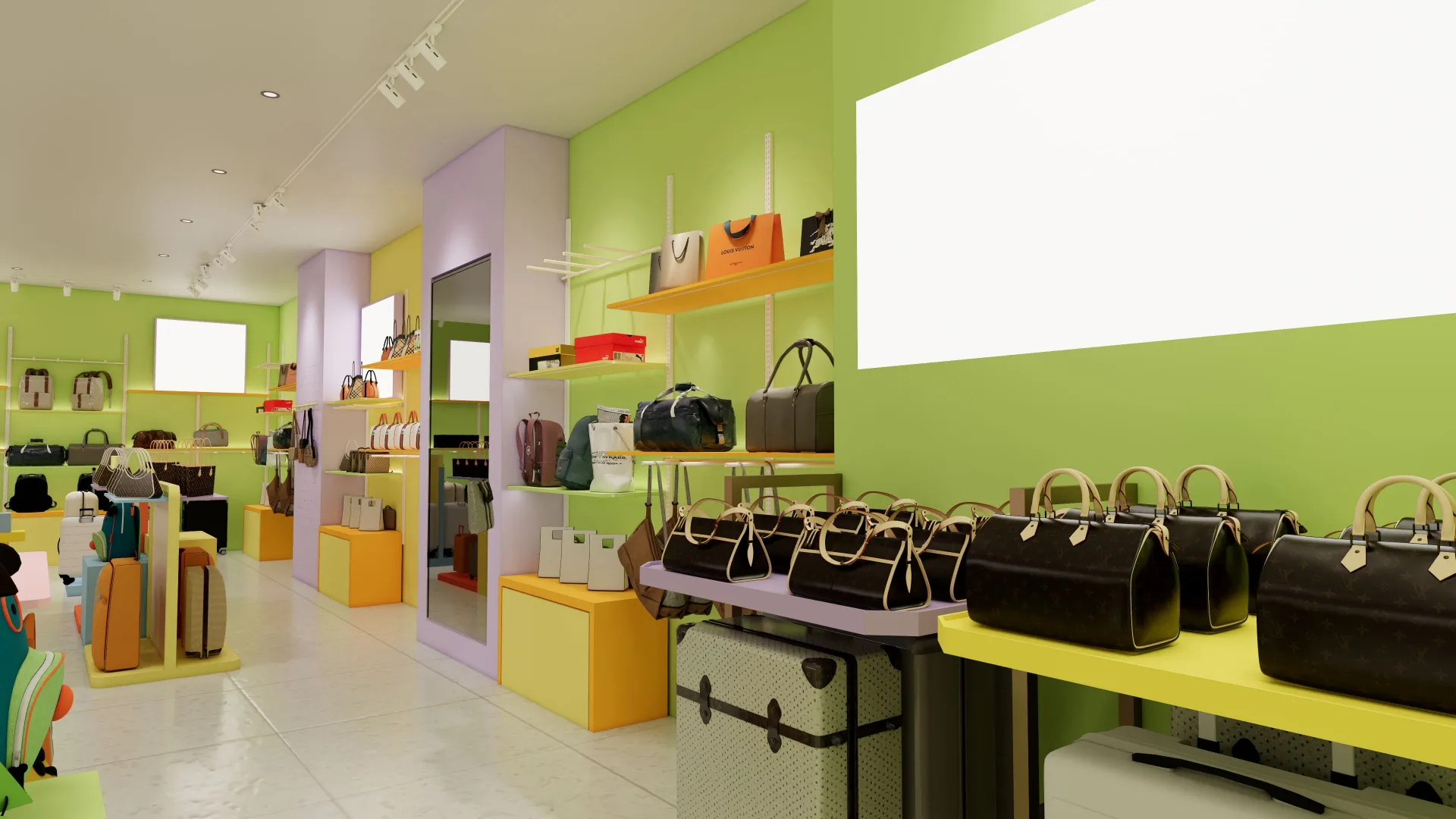
Freestanding, wall-mounted and casters
Freestanding racks need no wall condition, which suits a short lease or a layout still settling. The cost is floor space. Wall-mounted systems free the floor and let the perimeter carry hanging above shelving, but they depend on what is behind the drywall; blocking is a site condition your installer confirms before units arrive.
Casters belong only on racks that genuinely move. Specify locking wheels and a wider base, and match tread to the floor - softer for stone, harder for carpet tile. Get the wheel specification in writing. Fixed feet still need adjustable glides, since retail floors are rarely level. Stores mixing apparel with shelved product often carry one slot system through to their store fixtures.
Finish consistency across a rack program
A rack program mixes types, and repetition makes a mixed floor look designed: the same finish, sign holder and base detail on every unit. Two finishes used consistently look intentional; five used once each look like three separate orders.
Powder coating is durable across flat faces and vulnerable at contact points. The same three spots fail first on every type: the rail where hangers slide, the base edge, and the upright-to-base joint. Ask for batch-matched touch-up with the shipment, because matte black is close to impossible to match later.
- One finish family and one sign holder across all rack types
- Rail insert where hanger traffic is constant
- Kick protection or recessed foot at the base edge
Packing, shipping and comparing rack quotes
Racks are fabricated, coated and trial-assembled at our factory in Huizhou, China, then packed knock-down in most cases with protection on every coated surface. Knock-down cuts shipped volume, which matters on sea freight. Assembled shipping suits small orders or a single feature rack, and we quote both where the choice is real.
Price differences between quotes are usually specification differences: tube gauge and section, base weight, bracket and glide quality, wheel specification, coating process, and assembled versus knock-down with export packing. Lead time is confirmed after drawings are approved - see our lead time guide. One unit is detailed on our boutique double rail clothing rack page, and format shifts in retail display trends 2026.